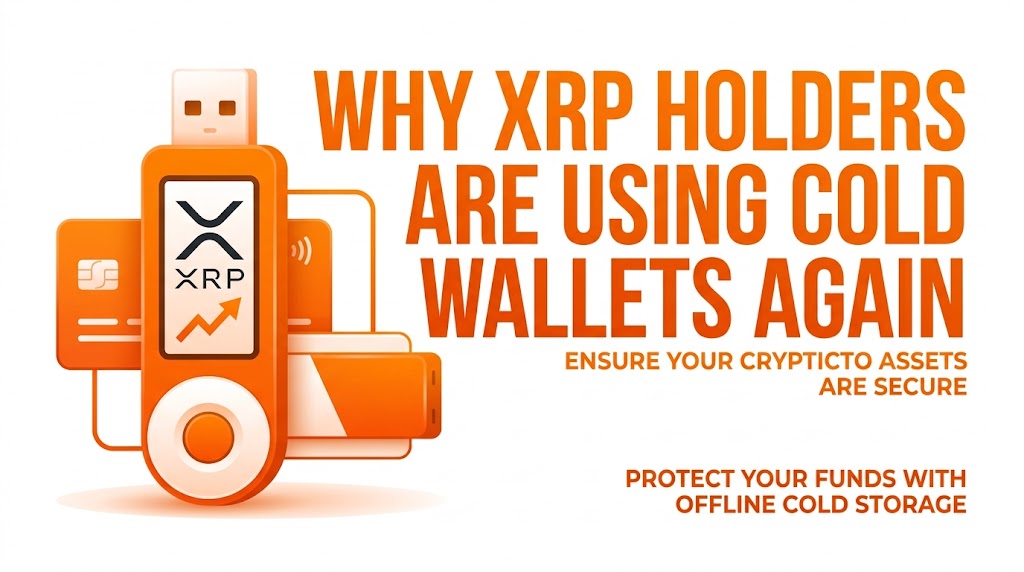
In 2026, the XRP ecosystem is undergoing a fundamental transformation. Historically, XRP users favored the convenience of centralized exchanges (CEXs) for high-velocity trading and liquidity. However, mid-2026 data shows a decisive shift toward self-custody as users pivot from “speculative trading” to “long-term institutional-grade storage.”
XRP 2026: The “Invisible Squeeze” and the Move to Self-Custody
For years, XRP users behaved differently from Bitcoin maximalists. A large percentage of holders kept their assets directly on exchanges, prioritizing liquidity and fast transfers. That trend is reversing in 2026.
As exchange reserves hit seven-year lows, we are seeing a massive “Invisible Squeeze” where both retail “diamond hands” and institutional whales are moving assets into private cold storage.
1. The Institutional Catalyst
The 2026 landscape is defined by the integration of XRP into institutional rails. With the launch of U.S. spot XRP ETFs in late 2025, which amassed over $1.3 billion in assets in their first few months (21Shares, 2026), the asset has gained unprecedented regulatory legitimacy.
As institutions prioritize “proof of reserves” and sovereign custody, retail users are following suit. The message is clear: if the “smart money” is locking down the liquid supply, holding on an exchange is no longer the optimal strategy for long-term holders.
2. Data Snapshot: The Shift in Custody
Exchange activity in 2026 highlights a growing divergence:
| Metric | Trend (2026) |
| Exchange Reserve Levels | 7-year low (~1.7B XRP) |
| Net Exchange Outflows (June 2026) | ~722 million XRP in 11 days |
| ETF Inflows | Cumulative $1.44B (as of June 2026) |
| Primary Custody Goal | Long-term accumulation vs. Active trading |
Sources: 99Bitcoins, Santiment, IG, 21Shares (June 2026).
3. Why the “Cold Ripple Wallet” Narrative is Booming
The surge in searches for “cold ripple wallet” isn’t just about security paranoia; it’s about ecosystem maturity.
-
Institutional Signaling: When payment firms and fintech companies—like Ripple’s growing list of MiCA-compliant operations in Europe—discuss digital asset custody, the retail market mirrors that behavior.
-
The “Three-Layer” Strategy: Serious holders in 2026 are increasingly adopting a tiered custody structure:
-
Hot Wallets: For daily movement and minor liquidity.
-
Cold Storage (Hardware): For the bulk of long-term reserves.
-
ETF/Regulated Custody: For institutional-grade, hands-off exposure.
-
4. Navigating Friction Points
Despite the shift, users face specific challenges in the transition to self-custody:
-
XRP Reserve Requirements: Unlike other chains, the XRP Ledger requires a minimum reserve (1 XRP + 0.2 XRP per additional object). This often confuses newcomers who fear their funds are “stuck.”
-
Hybrid Security: Modern users are moving away from generic hardware wallets toward devices that offer “easy recovery” features and native visibility for trust lines, helping to mitigate the fear of losing seed phrases.
-
Regulatory Compliance: As Ripple secures CASP licenses and MiCA compliance across the EU (June 2026), users are seeking wallets that align with these regulatory frameworks, ensuring their self-custody methods remain compatible with future tax and reporting requirements.
Final Thoughts: From Velocity to Value
The shift to cold storage signals that XRP is transitioning from a “bridge asset” used primarily for speed into a long-duration financial asset.
In earlier cycles, XRP was defined by its trading velocity. In 2026, the metrics that matter are accumulation, scarcity, and sovereign ownership. As the liquid supply on exchanges continues to drain, the “XRP Army” is proving that they are no longer just traders—they are long-term infrastructure stakeholders.